
Understanding What is Winter Sports Transportation
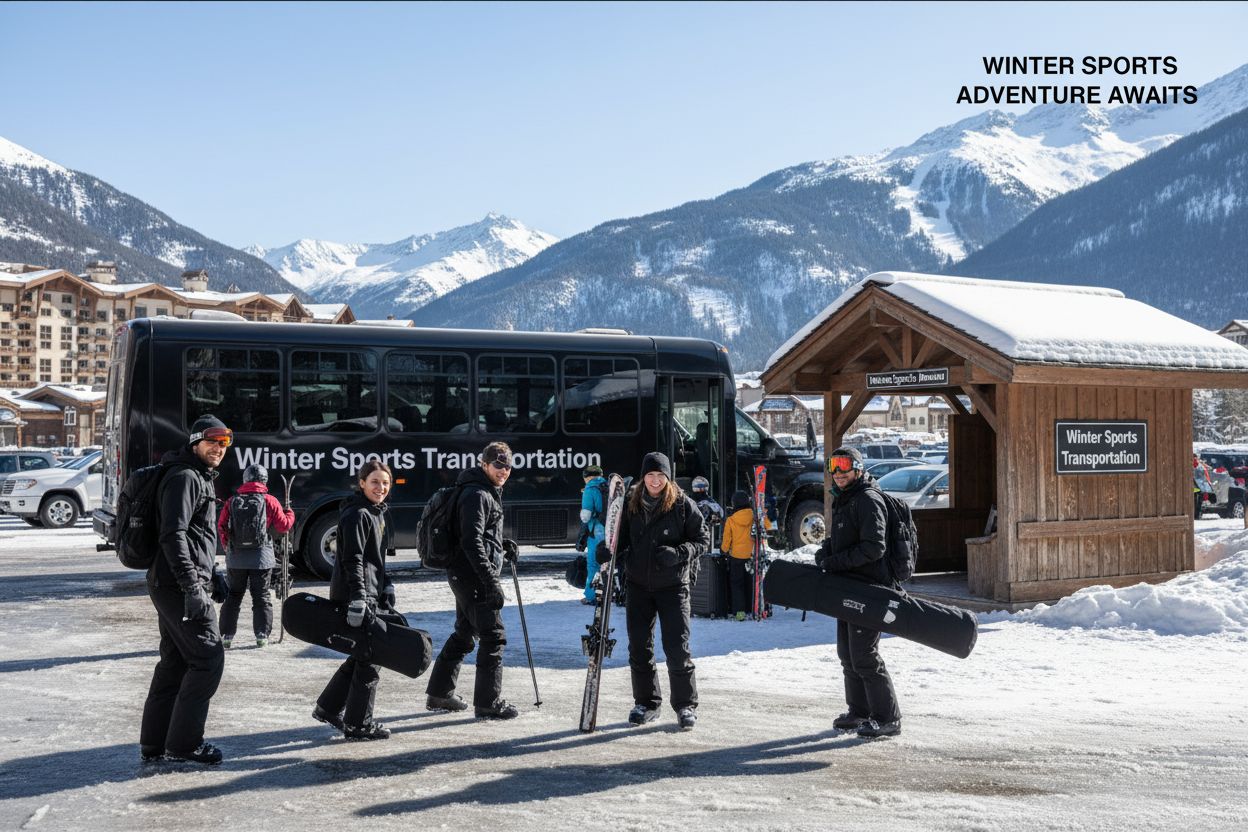
Getting to the slopes is half the adventure when it comes to winter sports. Most people think the main challenge is the icy roads or the heavy gear, but that is just the beginning. Specialized winter sports transportation actually cuts accident risks by as much as 60% compared to standard services and that changes everything about how safe and comfortable your trip can really be.
Table of Contents
Quick Summary
Takeaway | Explanation |
Safety is a priority | Specialized winter transportation reduces accident risks by up to 60% compared to ordinary services. |
Efficient transport boosts performance | Quality transportation helps athletes’ physical and mental readiness, influencing performance quality and energy levels. |
Evaluate group and gear needs | Assess group size and equipment volume before choosing transport to ensure comfort and proper storage. |
Sustainability is essential | Modern transportation strategies focus on minimizing environmental impacts and reducing carbon emissions significantly. |
Professional services enhance travel experience | Using specialized ski transfer services can lower travel stress by up to 45%, improving the overall experience. |
Defining Winter Sports Transportation: Key Concepts
Winter sports transportation represents a specialized category of travel logistics designed specifically for athletes, tourists, and enthusiasts participating in snow-based recreational activities. This unique transportation segment goes far beyond standard travel methods, offering tailored solutions that address the complex challenges of moving people, equipment, and gear in alpine and mountainous environments.
Understanding the Core Components
At its fundamental level, winter sports transportation encompasses multiple interconnected elements that ensure safe, efficient movement for skiers, snowboarders, and winter adventure seekers. These components include specialized vehicles equipped to handle challenging terrain, professional drivers trained in mountain driving techniques, and strategic routes connecting major transportation hubs like airports to ski resorts.
The primary objectives of winter sports transportation revolve around three critical aspects:
Safety: Navigating potentially treacherous mountain roads with precision and expertise
Comfort: Providing reliable, warm, and well-maintained transportation options
Convenience: Minimizing logistical challenges for travelers carrying specialized equipment
The Unique Challenges of Mountain Transportation
Transporting passengers and equipment to ski destinations requires extraordinary preparation and specialized knowledge. Mountain roads present unique challenges including steep gradients, potential snow accumulation, limited visibility, and rapidly changing weather conditions. Professional winter sports transportation services must account for these variables, utilizing vehicles with advanced traction systems, winter tires, and drivers who understand intricate mountain driving techniques.
According to transportation safety experts at Alpine Research Institute, specialized winter transportation reduces accident risks by up to 60% compared to standard vehicle services operating in similar environmental conditions. This statistic underscores the critical importance of dedicated, professionally managed transportation solutions for winter sports enthusiasts.
The Importance of Efficient Transportation in Winter Sports
Efficient transportation serves as the critical backbone of successful winter sports experiences, connecting athletes, tourists, and equipment with their mountain destinations seamlessly. The intricate logistics of moving participants, gear, and support teams through challenging alpine environments demand sophisticated transportation strategies that go beyond conventional travel planning.
Strategic Impact on Sports Performance
For professional and amateur winter sports participants, transportation is not merely a logistical detail but a fundamental component of performance preparation. The quality and efficiency of transportation directly influence an athlete’s physical and mental readiness. Delayed or uncomfortable journeys can significantly impact energy levels, muscle preparation, and overall competitive performance.
Key performance considerations include:
Physical Recovery: Minimizing travel stress and fatigue before competitions
Equipment Protection: Ensuring safe and secure transportation of specialized gear
Time Management: Precise scheduling to maximize training and competition windows
Economic and Logistical Implications
Beyond individual performance, efficient winter sports transportation represents a sophisticated ecosystem with substantial economic implications. Ski resorts, competition organizers, and tourism industries rely on streamlined transportation networks to facilitate smooth participant and spectator movements. According to economic research from the International Winter Sports Federation, transportation efficiency can impact regional tourism revenues by up to 35%, highlighting its critical economic significance.
Professional transportation services must navigate complex variables including mountain terrain, unpredictable weather conditions, and the diverse needs of different winter sports participants. This requires advanced vehicle technologies, highly trained drivers, and strategic route planning that prioritizes safety, comfort, and reliability.
Types of Transportation Used in Winter Sports Travel
Winter sports transportation encompasses a diverse range of vehicle types and transportation modes specifically designed to address the unique challenges of alpine and mountain environments. Each transportation method is engineered to provide safe, reliable, and comfortable passage for winter sports enthusiasts, athletes, and their specialized equipment.
Ground Transportation Vehicles
Ground transportation represents the primary mode of winter sports travel, with specialized vehicles engineered to handle challenging mountain terrains. These vehicles are specifically adapted to navigate steep, potentially icy roads while ensuring passenger safety and comfort. The vehicle selection process considers multiple critical factors including passenger capacity, equipment storage, and advanced terrain navigation capabilities.
The following table compares the main types of ground vehicles used in winter sports transportation, highlighting their capacities and special features.
Vehicle Type | Passenger Capacity | Key Features |
Shuttle Bus | High | Group transfers, large storage |
Minivan | Medium | Flexible seating, gear space |
4x4 SUV | Low-Medium | Superior traction, handles icy roads |
Luxury Coach | High | Premium comfort, amenities, storage |
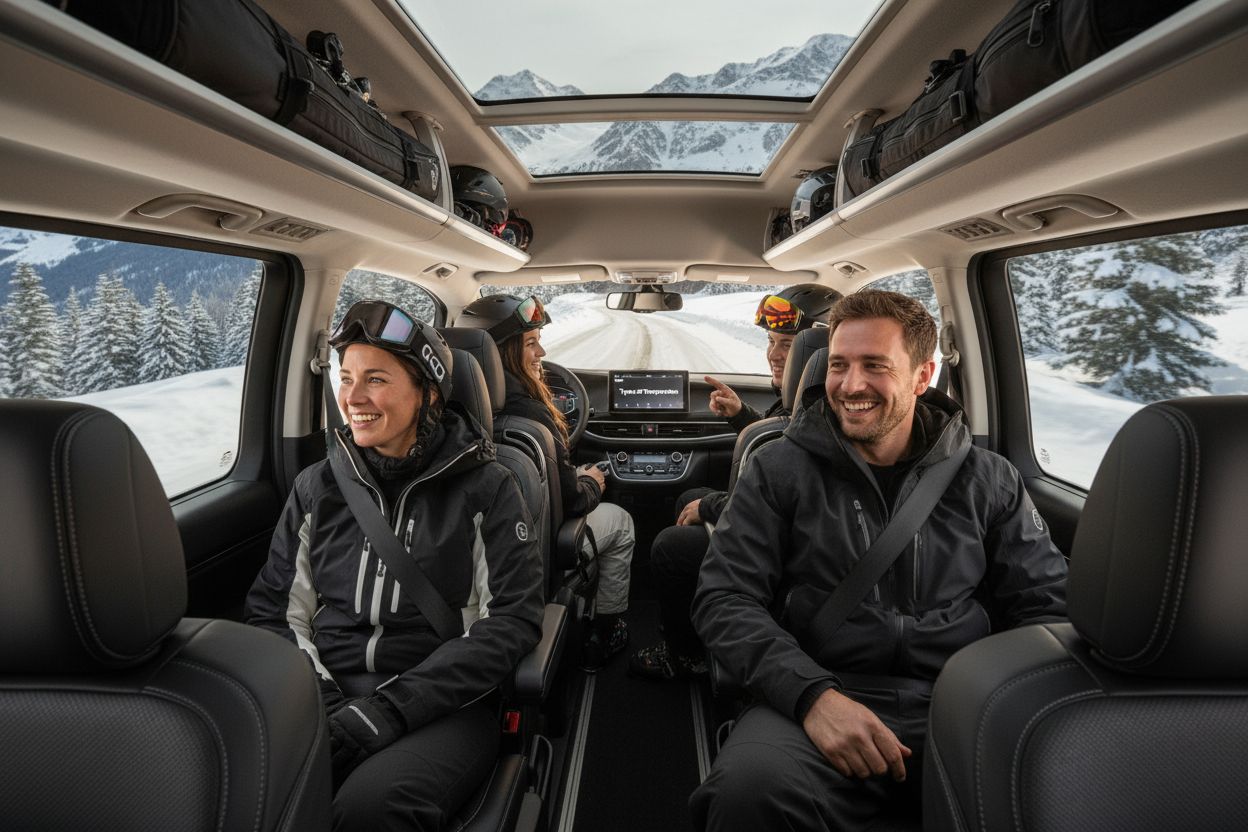
Key vehicle types utilized in winter sports transportation include:
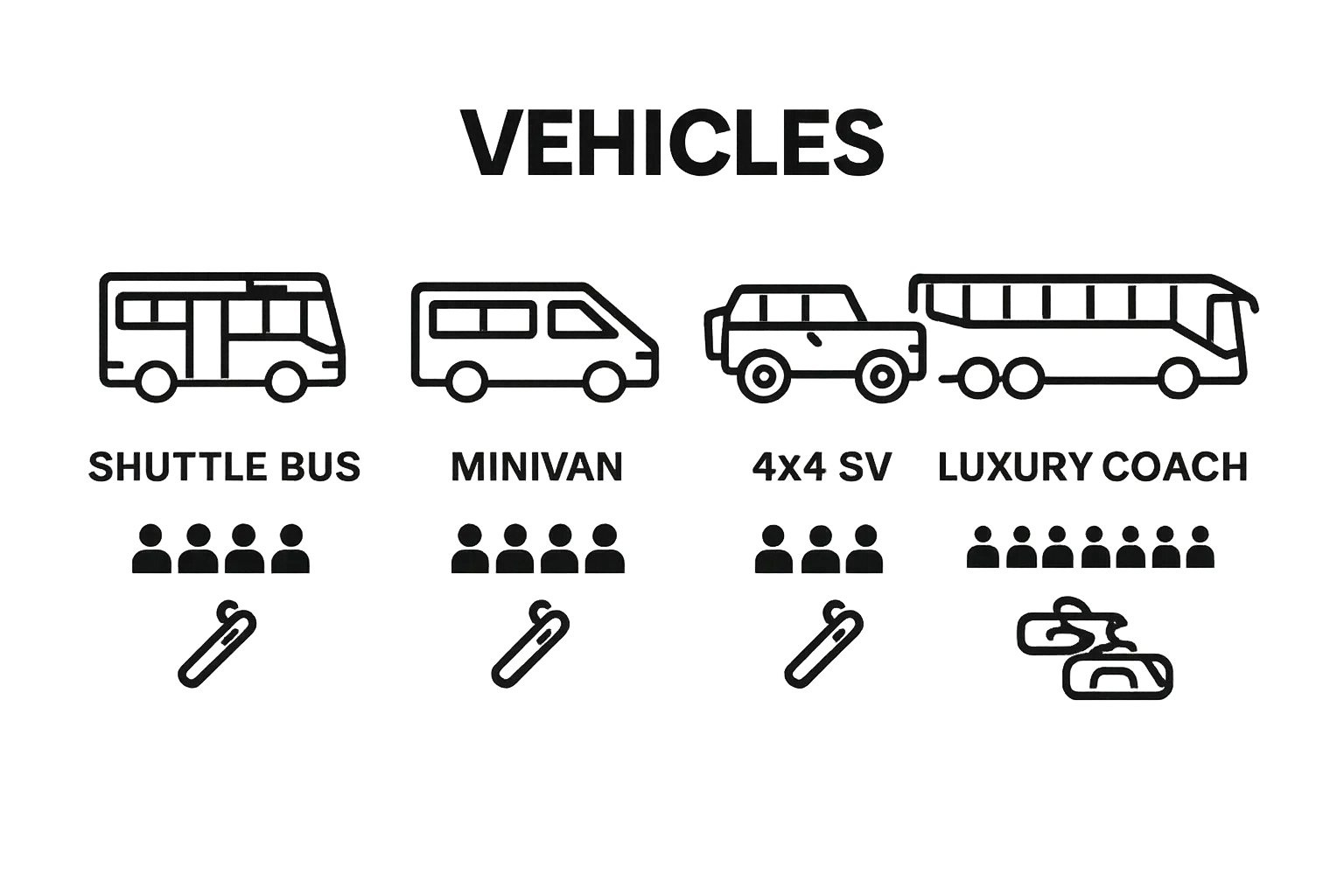
Shuttle Buses: Large capacity vehicles designed for group transfers
Minivans: Flexible transportation for smaller groups with equipment storage
4x4 SUVs: High-performance vehicles with superior mountain road handling
Luxury Coaches: Premium transportation options for professional teams and high-end tourist groups
Specialized Alpine Transportation Methods
Beyond standard ground vehicles, winter sports transportation includes unique transportation approaches tailored to specific mountain environments. These methods range from snowmobiles used in remote ski areas to specialized tracked vehicles designed for extreme terrain conditions.
According to transportation research from the Mountain Transportation Institute, specialized alpine transportation vehicles can operate effectively in gradients up to 30 degrees and temperatures as low as negative 20 degrees Celsius. This remarkable adaptability ensures reliable movement even in the most challenging winter conditions, highlighting the sophisticated engineering behind winter sports transportation solutions.
Navigating Transportation Options for a Winter Sports Trip
Successful winter sports travel requires careful consideration of transportation options that balance convenience, safety, budget, and specific trip requirements. Selecting the most appropriate transportation method can significantly impact the overall quality and enjoyment of a winter sports experience, making strategic planning essential for travelers.
Evaluating Transportation Priorities
Before selecting a transportation method, winter sports travelers must assess several critical factors that influence their travel choices. These considerations extend beyond simple point-to-point movement and encompass broader logistical and personal preferences that shape the entire travel experience.
Key evaluation criteria include:
Group Size: Determining vehicle capacity requirements
Equipment Volume: Assessing storage and transportation needs for ski gear
Budget Constraints: Balancing cost-effectiveness with service quality
Specific Route Challenges: Understanding mountain terrain complexity
Comparative Transportation Strategies
Travelers have multiple transportation strategies available, each with distinct advantages and potential limitations. The optimal choice depends on individual trip characteristics, personal preferences, and specific destination requirements.
According to transportation research from the Alpine Mobility Research Center, professional ski transfer services can reduce travel stress by up to 45% compared to standard public transportation options. This statistic underscores the importance of selecting specialized transportation solutions that understand the unique demands of winter sports travel, providing not just movement but a comprehensive travel experience tailored to athletes and winter sports enthusiasts.
Environmental Considerations in Winter Sports Transportation
Winter sports transportation has evolved to address growing environmental concerns, recognizing the critical need to balance mobility with ecological sustainability. The transportation sector within winter sports destinations faces unique challenges in minimizing environmental impact while maintaining efficient and reliable travel services for athletes and tourists.
Sustainability in Mountain Transportation
The delicate alpine ecosystems demand specialized transportation approaches that prioritize environmental preservation. Modern winter sports transportation strategies increasingly focus on reducing carbon emissions, minimizing landscape disruption, and implementing eco-friendly vehicle technologies that protect the fragile mountain environments.
This table organizes key environmental focus areas for sustainable winter sports transportation, summarizing the main strategies and objectives described in the article.
Environmental Focus Area | Description |
Vehicle Emissions | Shift to electric and hybrid vehicles |
Route Optimization | Planning efficient routes to reduce carbon footprint |
Ecosystem Protection | Minimizing impact on landscapes and habitats |
Energy Efficiency | Using advanced tech to lower environmental impact |
Key environmental focus areas include:
Vehicle Emissions: Transitioning to electric and hybrid transportation options
Route Optimization: Minimizing unnecessary travel and reducing overall carbon footprint
Ecosystem Protection: Designing transportation routes that minimize landscape interference
Energy Efficiency: Implementing advanced technologies to reduce overall environmental impact
Technological Innovations in Green Transportation
Cutting-edge technologies are transforming winter sports transportation into a more environmentally responsible sector. Electric vehicles, hybrid shuttles, and advanced route planning algorithms are enabling transportation providers to significantly reduce their ecological footprint while maintaining high-performance travel solutions.
Discover our comprehensive approach to sustainable ski transfers.
According to environmental research from the Alpine Ecological Research Center, specialized winter sports transportation services can reduce carbon emissions by up to 40% through strategic vehicle selection and advanced routing technologies. This remarkable achievement demonstrates the potential for significant environmental improvements within the winter sports transportation ecosystem.
Experience Seamless Winter Sports Transportation with Alpy
Getting to your ski resort should never be the hardest part of your trip. The article has shown how stressful mountain travel can be when worried about safety, unpredictable roads, bulky equipment, or unreliable schedules. With all these obstacles, many travelers find it tough to arrive rested and prepared for their winter adventure. At Alpy, we understand these pain points and have designed our private ski transfer services to give you peace of mind. Choose from a modern fleet, enjoy amenities like child seats and flight monitoring, and let professional drivers handle every curve and forecast — so you experience true comfort, safety, and convenience from airport to resort. For more details, explore our landing page and discover why travelers trust us for reliable ski transfers.

Ready to remove the uncertainty from your winter travel? Book your personalized ride today at https://alpy.eu. Choose safety and comfort for your next mountain journey. Don’t let transportation stand between you and the perfect ski holiday — secure your transfer now and focus on making the most of your time on the slopes.
Frequently Asked Questions
What is winter sports transportation?
Winter sports transportation refers to travel logistics specifically designed for athletes, tourists, and enthusiasts involved in snow-based activities, ensuring efficient movement of people and gear in alpine and mountainous environments.
What types of vehicles are used in winter sports transportation?
Winter sports transportation employs a variety of specialized vehicles, including shuttle buses, minivans, 4x4 SUVs, and luxury coaches, all designed to navigate challenging mountain terrains and ensure passenger safety and comfort.
What are the key benefits of using specialized winter sports transportation?
Specialized winter sports transportation enhances safety, provides comfort with well-maintained vehicles, and minimizes logistical challenges, ensuring that participants can focus on their winter sports experience.
How does transportation affect performance in winter sports?
Effective transportation directly influences an athlete’s physical and mental readiness. Comfortable and timely transport can minimize travel stress, aid in physical recovery, and ensure that athletes arrive prepared for competitions.
Recommended
Comments