
Essential safety tips for airport transfers to ski resorts

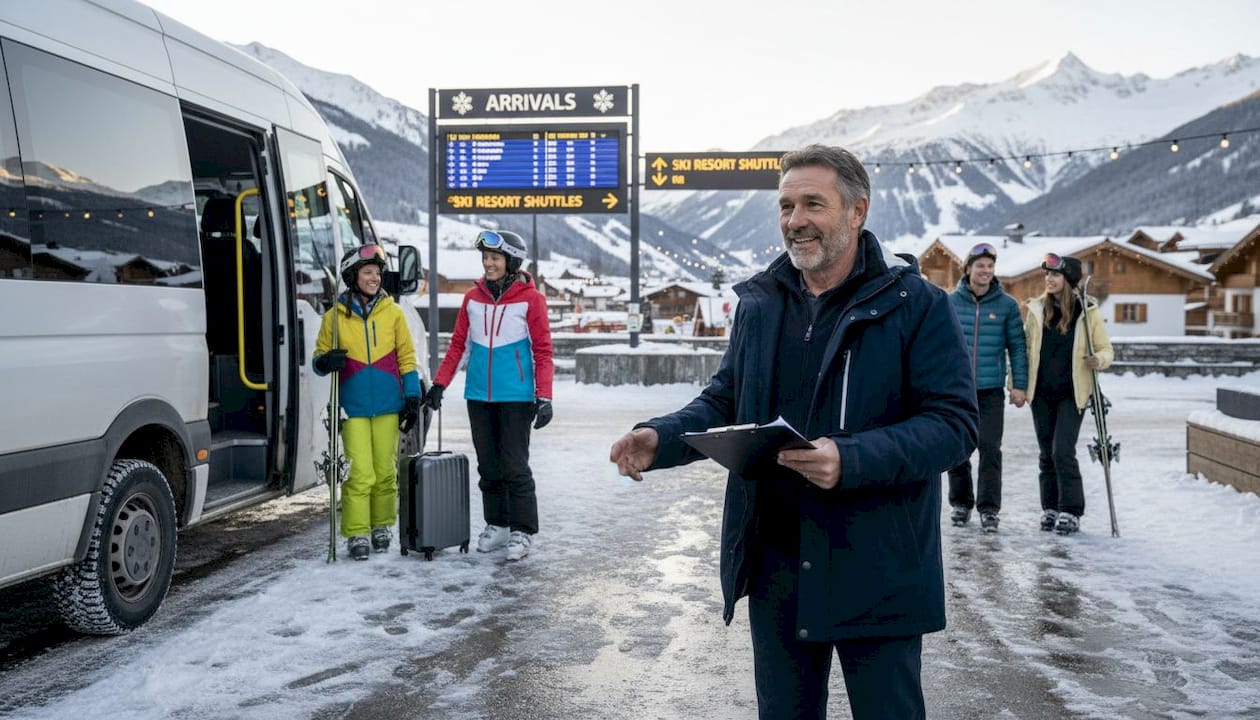
Navigating airport transfers to Alpine ski resorts during winter demands careful attention to safety protocols that many travellers overlook. The journey from Geneva airport through mountainous terrain in unpredictable weather conditions requires more than basic transportation. Professional private transfers equipped for winter conditions, experienced drivers familiar with Alpine routes, and proper planning distinguish safe arrivals from potentially hazardous experiences. Understanding the critical safety criteria before booking your transfer ensures you reach your resort accommodation securely and comfortably, ready to enjoy your skiing holiday without transfer-related stress or delays.
Table of Contents
Key Takeaways
Point | Details |
Verify credentials and winter readiness | Check licensing and insurance, driver winter training, and vehicle safety checks before booking to ensure a compliant and safe transfer. |
Winter equipment essentials | Vehicles should carry winter tyres with at least 4 mm tread and snow chains where blue chain signs indicate mandatory use. |
Plan early and share details | Plan transfers well in advance, provide flight times and luggage information, and check local weather to ensure smooth Alpine journeys. |
Morning transfers reduce risk | Morning departures can help avoid peak traffic and poor visibility on Alpine routes. |
How to evaluate provider safety credentials
Verifying professional licensing and insurance represents your first defence against unreliable transfer services. Legitimate providers display current operating licences and comprehensive insurance coverage that protects passengers during the entire journey. Request proof of these credentials before finalising your booking, as companies reluctant to provide documentation often lack proper authorisation.
Driver qualifications extend beyond basic licences to include clean driving records and specialised winter driving certifications. Professional transfer services employ drivers with extensive Alpine experience who understand how weather patterns affect mountain routes. These drivers receive ongoing training in defensive driving techniques specific to icy roads and reduced visibility conditions common in ski resort transfers.
Vehicle safety inspections must occur regularly throughout winter months to ensure brakes, heating systems, and emergency equipment function properly. Reputable providers maintain detailed service records and replace worn components before they compromise passenger safety. GPS tracking systems installed in modern transfer vehicles allow companies to monitor routes in real time and provide assistance if unexpected situations arise.
Winter equipment standards require vehicles to carry winter tyres with minimum 4mm tread depth and the 3PMSF certification mark. Providers should confirm their fleet meets these specifications and carries snow chains for conditions where they become legally mandatory. Vehicles lacking proper winter preparation cannot safely navigate Alpine routes during adverse weather.
Pro tip: Request specific vehicle details when booking, including make, model, and year. Newer vehicles typically feature advanced safety systems like electronic stability control and anti-lock braking that significantly improve handling on snow-covered roads.
Red flags indicating unreliable providers include vague contact information, absence of physical business addresses, and reluctance to answer safety-related questions. Choosing airport pickup services requires scrutiny of these details to avoid compromising your safety for lower prices.
Vehicle and driver preparations for Alpine winter transfers
Winter tyres certified with the 3PMSF symbol and maintaining at least 4mm tread depth provide essential traction on snow-covered mountain roads. Swiss regulations mandate vehicle control in all conditions, with winter tyres strongly recommended and snow chains required where blue chain signs appear. Professional transfer services equip their entire fleet with appropriate tyres well before winter season begins, avoiding last-minute scrambles that compromise safety.
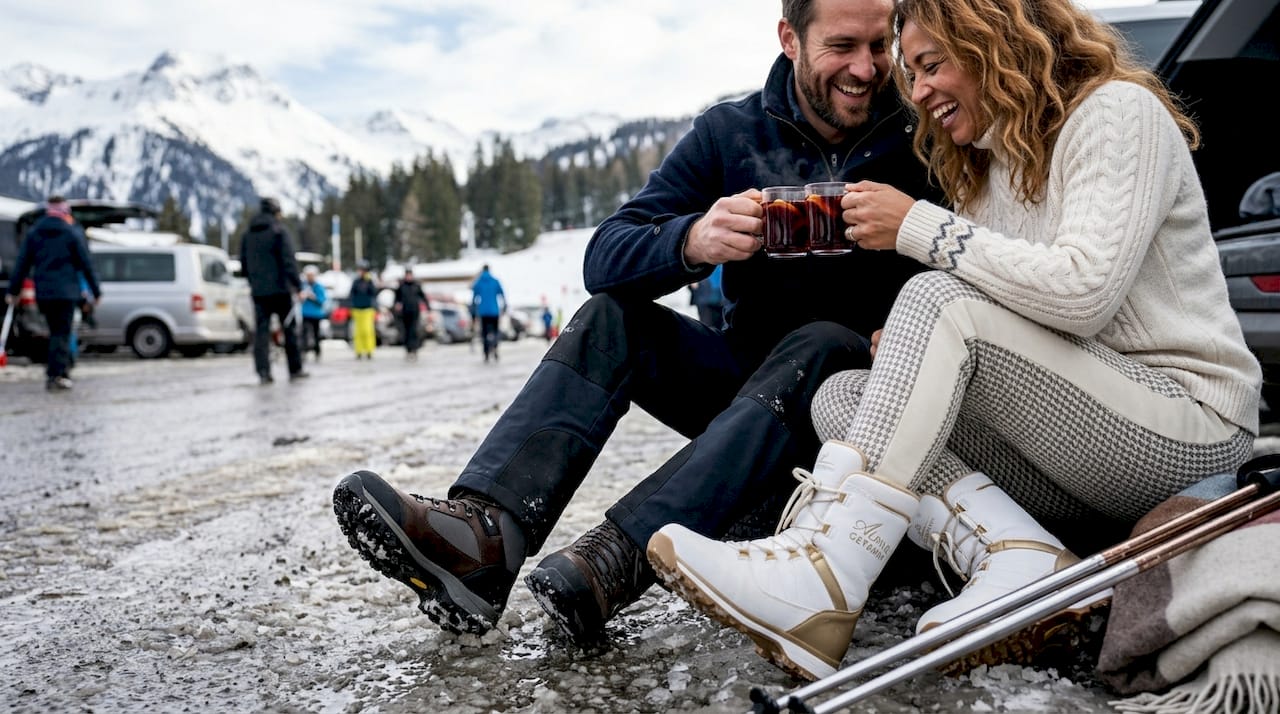
Snow chain requirements become mandatory on specific Alpine route sections marked by blue circular signs with chain symbols. Drivers must fit chains to drive wheels and reduce speed to 50km/h maximum when chains are in use. Experienced drivers carry multiple chain sets and know precisely where and when to install them based on current conditions rather than waiting for emergencies.
Vehicle maintenance schedules intensify during winter months to address the additional stress cold weather places on mechanical systems. Heating systems require testing to ensure passenger comfort during potentially lengthy journeys through mountain passes. Brake systems need frequent inspection as icy conditions demand greater stopping distances and more responsive braking capabilities.
Driver expertise in Alpine winter conditions separates professional services from ordinary taxi operators. Qualified drivers recognise early warning signs of deteriorating weather, understand how altitude affects vehicle performance, and know alternative routes when primary roads become impassable. This knowledge proves invaluable when unexpected snowfall or accidents create hazardous situations.
Real-time monitoring of weather forecasts, traffic conditions, and border crossing wait times allows professional drivers to adapt routes proactively. Modern transfer services use sophisticated software that integrates multiple data sources to identify the safest, most efficient path to your destination. This technology-assisted decision making reduces risks that less prepared drivers might encounter.
Pro tip: Ask your provider about their weather contingency plans before booking. Companies with clear protocols for handling severe weather demonstrate the professional approach necessary for safe Alpine transfers.
Regular communication between drivers and dispatch centres ensures support remains available throughout your journey. Preparing for airport transfers includes confirming your provider maintains this operational infrastructure.
Planning your transfer: timing, booking and luggage considerations
Booking your private transfer 3-4 weeks in advance during peak ski season guarantees availability of properly equipped vehicles and experienced drivers. Last-minute bookings during busy periods often force compromises on vehicle quality or driver expertise as premium services reach capacity. Early booking also allows providers adequate time to prepare for any special requirements your group needs.
Providing accurate flight numbers enables automatic flight tracking that adjusts pickup times when delays occur. Professional transfer services monitor your flight status in real time, eliminating the stress of coordinating pickup changes whilst managing luggage and tired children after a long journey. This automated flexibility proves especially valuable during winter when weather-related flight delays become more common.
Luggage specifications must include all ski equipment, snowboards, boots, and oversized items that require additional vehicle space. Standard vehicles accommodate typical suitcases but struggle with bulky sporting equipment that skiing holidays demand. Specifying exact quantities and dimensions ensures your provider assigns a vehicle with sufficient capacity, avoiding uncomfortable cramming or last-minute vehicle changes.
Child seat requirements need confirmation well before your travel date to ensure compliance with safety regulations. Different age groups require specific seat types, and professional providers stock various options to accommodate families. Requesting these items during initial booking rather than upon arrival prevents delays and ensures proper installation by experienced staff.
Morning transfer timing offers significant safety advantages through better visibility and lighter traffic conditions. Daylight travel allows drivers to spot potential hazards earlier and navigate unfamiliar resort access roads more confidently. Traffic volumes on Alpine routes typically peak during afternoon hours when multiple resorts experience simultaneous check-in and check-out activities.
Buffer time for baggage claim, customs processing, and potential border delays should factor into your transfer planning. Geneva airport serves both Swiss and French ski resorts, with French destinations requiring border crossings that occasionally experience delays during peak periods. Allowing extra time prevents rushed driving that increases accident risks.
Follow these steps for optimal transfer planning:
Book 3-4 weeks before peak season travel dates
Provide complete flight details including airline and flight number
Specify all luggage items with approximate dimensions
Request child seats with age and weight specifications
Confirm exact resort accommodation address and any access restrictions
Ask about weather monitoring and contingency protocols
Detailed communication with your transfer provider about coordinating airport pickup minimises confusion on arrival day. These airport transfer tips for skiers become especially critical when travelling with families who need additional support during the journey.
Comparing private transfers with shared shuttles and public transport
Private transfers deliver door-to-door service without intermediate stops, reducing total journey time and minimising exposure to cold weather between vehicles. Direct routes to your specific accommodation eliminate the fatigue of multiple stops where passengers and luggage constantly shift. This efficiency proves particularly valuable after long flights when rest becomes a priority.
Transfer type | Journey time | Winter safety | Luggage capacity | Flexibility | Cost |
Private transfer | 1.5-3 hours direct | Highest - dedicated winter equipment | Guaranteed space for all gear | High - flight tracking, route adaptation | Premium |
Shared shuttle | 3-5 hours with stops | Moderate - shared resources | Limited, first-come basis | Low - fixed schedules | Budget |
Public transport | 3-6 hours with changes | Lower - standard equipment | Very limited, no ski gear priority | Very low - rigid timetables | Lowest |
Self-driving | Variable | Depends on driver experience | Full control | Complete but stressful | Moderate plus equipment |
Professional drivers in private services continuously monitor road and weather conditions with vehicles specifically equipped for Alpine winters. These drivers adjust routes based on real-time information about accidents, road closures, or deteriorating weather that less informed options cannot match. Specialised winter equipment including premium tyres, chains, and safety systems comes standard rather than optional.
Shared shuttles involve multiple resort stops that extend transfer times by 2-3 hours compared to direct private services. Each stop requires passengers to exit vehicles in potentially harsh weather whilst others load and unload luggage. These interruptions increase cold exposure risks and create opportunities for luggage mix-ups with ski equipment.
Public transport options lack predictability during winter conditions when bus and train schedules face frequent delays. Standard public vehicles rarely accommodate bulky ski gear adequately, forcing travellers to manage unwieldy equipment through multiple connections. Mountain routes served by public transport receive less frequent winter maintenance than main highways used by professional transfer services.
Self-driving risks include unfamiliarity with Alpine routes, inadequate winter driving experience, and the stress of navigating foreign road systems whilst fatigued. Rental vehicles may lack proper winter equipment despite legal requirements, and drivers unfamiliar with chain installation face dangerous delays when conditions deteriorate. The cognitive load of driving in challenging conditions prevents passengers from resting after flights.
Key safety advantages of private transfers:
Dedicated professional driver focused solely on your safe arrival
No intermediate stops reducing journey time and weather exposure
Guaranteed winter equipment meeting all legal requirements
Real-time route optimisation based on current conditions
Flight tracking eliminating coordination stress after delays
Understanding these distinctions helps when preparing for Geneva transfers and selecting the option that prioritises safety alongside convenience.
Discover reliable private transfers to Alpine ski resorts
After understanding the critical safety criteria for airport transfers, securing a professional service becomes your next priority. Alpy specialises in private transfers from Geneva airport to premium ski resorts throughout the Alps, combining experienced drivers with winter-equipped vehicles and comprehensive safety protocols. Our fleet maintains the highest winter preparation standards with regular inspections, GPS tracking, and drivers trained specifically for Alpine conditions.
Booking through our platform allows you to specify all luggage requirements, request child seats, and provide flight details for automatic tracking. Popular destinations include private transfers to Verbier, private transfers to Val D’Isère, and private transfers to Val Thorens, each offering direct routes with professional drivers who monitor weather and traffic continuously. Early booking during peak season ensures you secure the safest, most reliable transfer option for your skiing holiday.
Frequently asked questions
What are the most important safety features in a ski resort airport transfer?
Professional licensing, comprehensive insurance, and winter-certified drivers represent the foundation of safe airport transfers. Vehicles must carry winter tyres with minimum 4mm tread depth, 3PMSF certification, and snow chains for mandatory use zones. GPS tracking, real-time weather monitoring, and flight tracking systems ensure providers can adapt to changing conditions and coordinate pickups despite delays.
How early should I book my private airport transfer for a ski trip?
Booking 3-4 weeks ahead during peak ski season secures availability of properly equipped vehicles and experienced drivers. Early booking allows providers time to prepare for special requirements like child seats or extra luggage space. Late bookings risk limited vehicle options and potentially less experienced drivers as premium services reach capacity during busy periods.
Are private transfers safer than shared shuttles or taxis from Geneva airport?
Private transfers offer safer, direct routes with dedicated professional drivers and guaranteed winter equipment compared to shared or public options. Shared shuttles require multiple stops that extend journey times by 2-3 hours and increase cold weather exposure. Taxis often lack guaranteed winter preparation and sufficient space for ski equipment, whilst drivers may have limited Alpine route experience.
What should I do if my flight is delayed when booked for a winter transfer?
Inform your transfer provider immediately upon learning of delays, though professional services typically monitor flight status automatically. Private transfers offer flexible flight tracking and adjust pickup times without requiring passenger intervention. Shared shuttles maintain fixed schedules with limited tolerance for late arrivals, potentially leaving delayed passengers without transport options.
Recommended
Comments